 Learn more
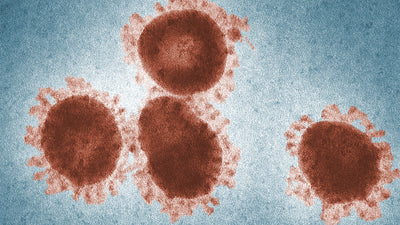
Bilirubin in Urine
Shouldn’t appear in urine — when it does, the liver may be asking for attention.
 Learn more
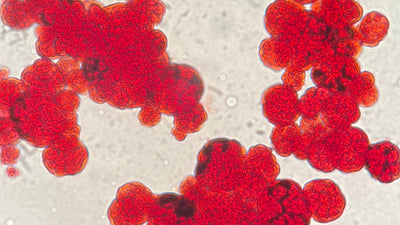
Blood in Urine
Even trace amounts are a signal worth following up.
 Learn more
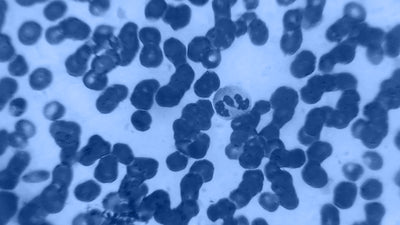
Copper in Water
Your plumbing’s early warning — high copper usually means corrosive water.
 Learn more
Estradiol
Central to cycle, mood, bone, and heart health.
 Learn more
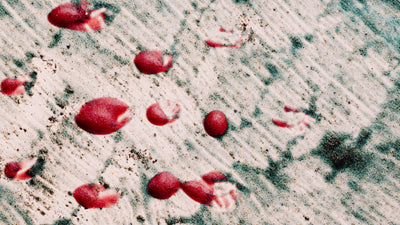
Fecal Occult Blood
An early, invisible signal that the colon may need attention.
 Learn more
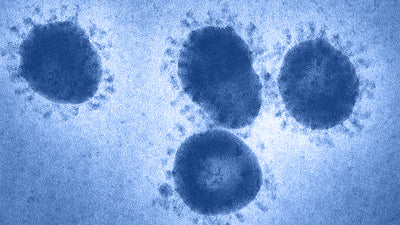
Fluoride in Water
Protective for teeth at low levels — a concern only when it runs high.
 Learn more
Free Chlorine in Water
Protective in the right amount — the question is whether yours is in range.
 Learn more
Follicle-Stimulating Hormone (FSH)
Rises as the ovaries wind down — a core signal of the menopause transition.
 Learn more
Glucose in Urine
Usually absent — its presence is worth a closer look.
 Learn more
Human Chorionic Gonadotropin (hCG)
Detectable in urine within days of implantation.
- Learn more
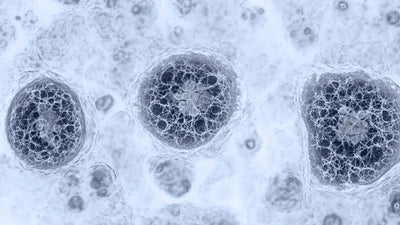
HIV-1 & HIV-2 Antibodies
Takes weeks to appear after exposure. With this marker, timing matters as much as the test.
 Learn more
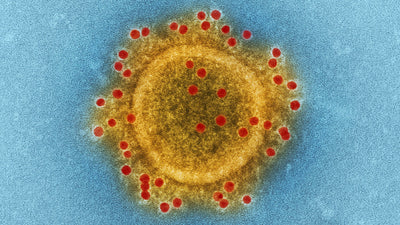
Hydrogen Sulfide in Water
The rotten-egg smell — a nuisance you can usually fix.
 Learn more
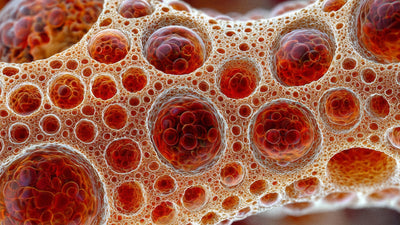
Influenza A & B Antigen
Tells flu apart from other winter infections — in minutes.
 Learn more
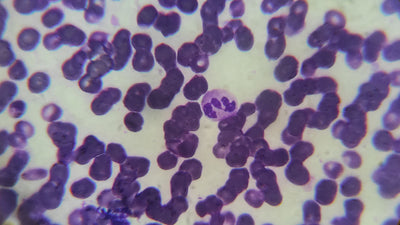
Iron in Water
Behind metallic taste, rust stains, and orange-tinted water.
 Learn more
Ketones in Urine
A sign of fat-burning — expected on keto, important to watch in diabetes.
 Learn more
Lead in Water
No amount is considered safe — the most important marker on the strip.
 Learn more
Leukocytes in Urine
Their presence in urine suggests inflammation, often from a UTI.
 Learn more
Luteinizing Hormone (LH)
Surges roughly a day before ovulation — the signal ovulation tests read.
 Learn more
Malondialdehyde (MDA)
A widely used marker of oxidative stress.
 Learn more
Manganese in Water
Brown-black staining and bitter taste — worth limiting in drinking water.
 Learn more
Mercury in Water
Kidney and neurological toxicity — any detection warrants lab confirmation.
 Learn more
Nitrate in Water
A special risk for infants — the reason well water needs regular checks.
 Learn more
Nitric Oxide
Responsible for vitality and blood flow.
 Learn more
Nitrite in Urine
A positive is a strong hint that bacteria are present.
 Learn more
Nitrite in Water
More toxic than nitrate — and a red flag for active contamination.
 Learn more
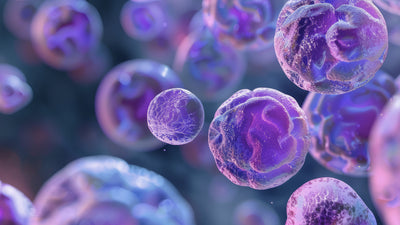
Pregnanediol Glucuronide (PdG)
Confirms ovulation actually happened, not just that it was coming.
 Learn more
pH of Saliva
A quick window into your oral environment and daily habits.
 Learn more
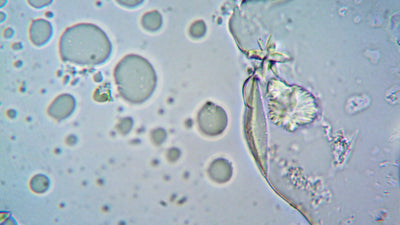
pH of Urine
Reflects diet, hydration, and the kidneys’ balancing work.
 Learn more
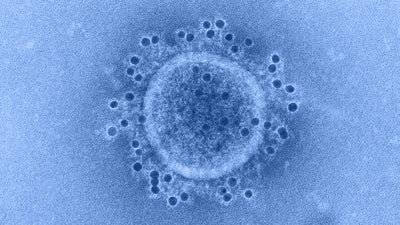
pH of Water
Sets whether your water corrodes pipes — or scales them.
 Learn more
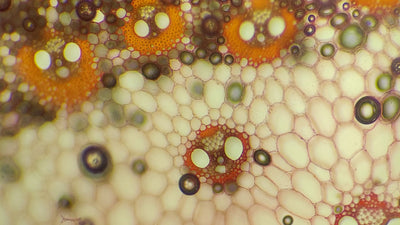
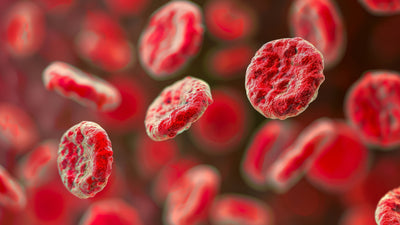
Protein in Urine
Usually minimal — persistent protein is an early kidney signal.
 Learn more
Prostate-Specific Antigen (PSA)
Elevated levels are an early prompt to check on prostate health.
 Learn more
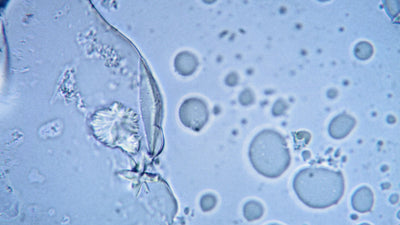
SARS-CoV-2 Antigen
Detectable when you’re most likely to be contagious.
 Learn more
Sodium Chloride in Water
Salty taste and corrosion — often a softener or road-salt signal.
 Learn more
Sulfate in Water
High levels mean bitter taste — and a laxative effect newcomers notice.
 Learn more
Total Alkalinity of Water
The buffer that keeps water stable — low alkalinity means corrosive water.
 Learn more
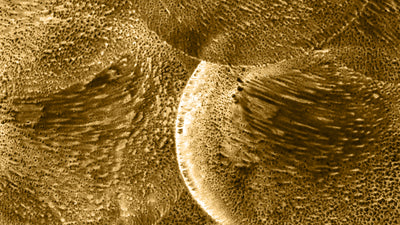
Total Hardness of Water
The mineral load behind scale, spots, and dry skin — not a health hazard.
 Learn more
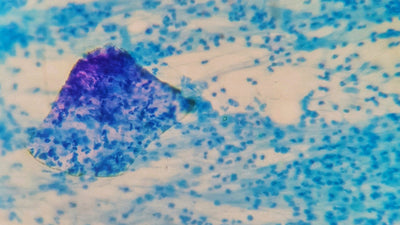
Thyroid-Stimulating Hormone (TSH)
The single most sensitive screening marker for thyroid balance.
 Learn more
Urine Specific Gravity
The simplest measurable signal of your hydration state.
 Learn more
Urobilinogen in Urine
Small amounts are normal — high levels can point to the liver.
 Learn more
Vaginal pH
A shift in pH is often the first sign the balance is off.
 Learn more
Zinc in Water
Metallic taste from corroding galvanized pipes — rarely a health issue.
Loading
Skip to content

Popular right now
Featured
 Aquanox-16 Water Test StripsYou can't see lead, and you can't taste nitrate. Aquanox-16 reads 16 drinking water parameters at home in 30 seconds, against EPA-referenced guidelines.Each strip is individually foil-packed, so the last one reads as true as the first. Dip, wait 30 seconds, and match the pads to the reference chart. No lab equipment, no waiting.What it reads: 16 parameters including pH, total hardness...
 Colonox FIT Stool TestTake control of your colon health with the Colonox FIT test, the same powerful tool healthcare providers use to screen for gastrointestinal disorders. This immunochemical fecal occult blood test (FOBT test kit) uses antibodies to detect hidden blood in your stool—a key indicator of issues like colitis, diverticulosis, hemorrhoids, polyps, or even early signs of colorectal cancer.
The ...
Colonox FIT Stool TestTake control of your colon health with the Colonox FIT test, the same powerful tool healthcare providers use to screen for gastrointestinal disorders. This immunochemical fecal occult blood test (FOBT test kit) uses antibodies to detect hidden blood in your stool—a key indicator of issues like colitis, diverticulosis, hemorrhoids, polyps, or even early signs of colorectal cancer.
The ...
 Early Detection Pregnancy TestNo more squinting at faint lines. This FDA-cleared early detection pregnancy test gives a clear + or - result, up to 6 days before your missed period.
 HIV 1&2 Self-Test
No featured items in this category.