Kidney stones form when minerals in urine concentrate enough to crystallize — and anyone who’s passed one describes the pain in memorable terms. About one in ten people will have one, and here’s the part worth knowing: they recur in roughly half of people within several years, unless the urine chemistry that produced them changes.
What it is
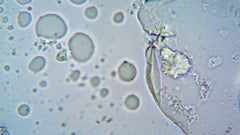
Stones are crystals — most commonly calcium oxalate, but also uric acid, calcium phosphate, and struvite — that form when urine carries more mineral than it can keep dissolved. Dehydration is the biggest single driver: concentrated urine is exactly the environment stones want. Diet, genetics, and urine pH shape which type forms.
Signs and symptoms
A stone on the move causes sudden, severe pain in the back or side that radiates toward the groin, often in waves, with blood in urine, nausea, and an urgent need to urinate. Small stones can pass unnoticed; larger ones announce themselves unmistakably. Fever or chills alongside stone pain signals possible infection — an emergency, not a wait-and-see.
What you can track at home
Two markers matter for prevention. Urine pH shapes stone type — uric acid stones form in acidic urine, calcium phosphate in alkaline — so if you know your stone type, tracking pH shows whether diet changes are moving your chemistry the right way. Specific gravity is the hydration check: keeping urine dilute is the single most effective stone-prevention habit there is, and the number makes it visible. Blood in urine is worth noting during suspected episodes.
When to see a doctor
Severe pain, vomiting, fever, or inability to urinate: seek care immediately. After any first stone, ask about stone analysis and a urine chemistry workup — knowing your stone type turns prevention from generic advice into a specific plan. If stones recur despite hydration, a urologist can look at the underlying chemistry properly.